

Atrial Flutter Ablation
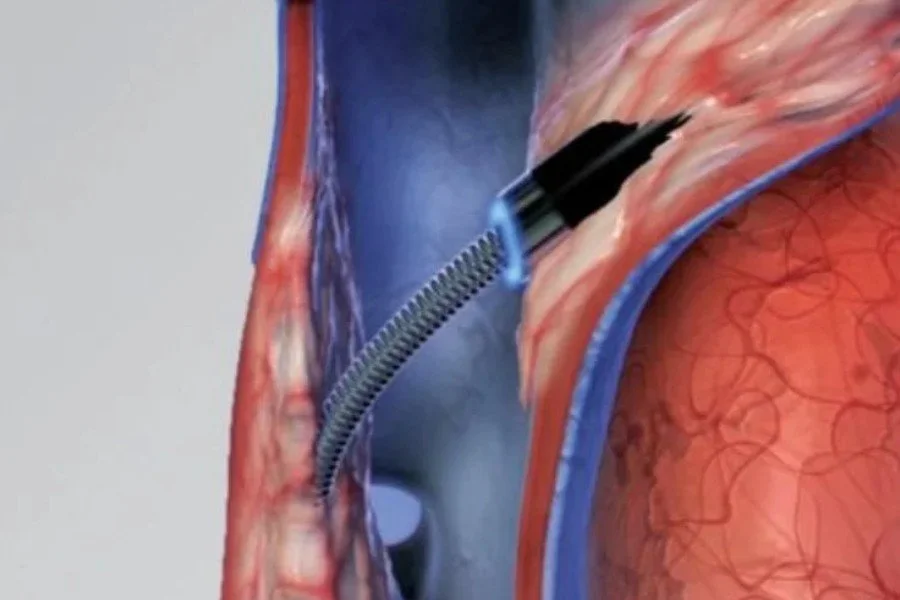
A Lead Extraction/Device Extraction is a specialized cardiac procedure performed to remove one or more leads and the pacemaker device from the heart. Leads are the thin, flexible wires that deliver electrical signals from the pacemaker to the heart and vice versa. A DDD pacemaker is a type of dualchamber pacemaker that helps control the pace of both the upper (atria) and lower (ventricles) chambers of the heart.
The procedure is typically performed under local anesthesia with sedation or general anesthesia. It begins with the surgeon making a small incision over the original pacemaker implantation site, usually in the upper chest.
Using specialized tools, the surgeon disconnects the pacemaker device from the leads. Following this, the leads are carefully extracted. This can be challenging as over time, the body’s natural response can cause tissue to grow over the leads, securing them in place. Special sheaths and laser technology may be used to safely free the leads without damaging the heart or blood vessels.
Once the leads and pacemaker are successfully removed, a new device and leads may be implanted if necessary, often at a different site. The incision is then closed and the area bandaged.
Lead extraction is considered a high-risk procedure and is typically performed when the leads or pacemaker are not functioning correctly, are infected, or are causing other complications.
After the procedure, patients are closely monitored in the hospital to ensure there are no complications. Recovery time varies depending on the individual patient’s health status and whether a new device was implanted. Patients are advised to avoid heavy lifting and vigorous physical activity for a period of time post-procedure and will have regular follow-up appointments to monitor their progress.